Artificial intelligence is transforming the way films are created, making high-quality storytelling more accessible than ever. From generating scripts and concept art to creating realistic visuals, voiceovers, music, and cinematic videos, AI tools can streamline nearly every stage of the filmmaking process. Whether you’re an aspiring filmmaker, a content creator, or a business looking to produce engaging videos, AI enables you to turn ideas into compelling films with less time, lower costs, and greater creative flexibility. In this guide, you’ll learn the complete process of creating an AI film using modern AI tools, along with practical tips for writing prompts, maintaining visual consistency, editing scenes, and producing a professional final result.
Why AI Filmmaking Is the Future
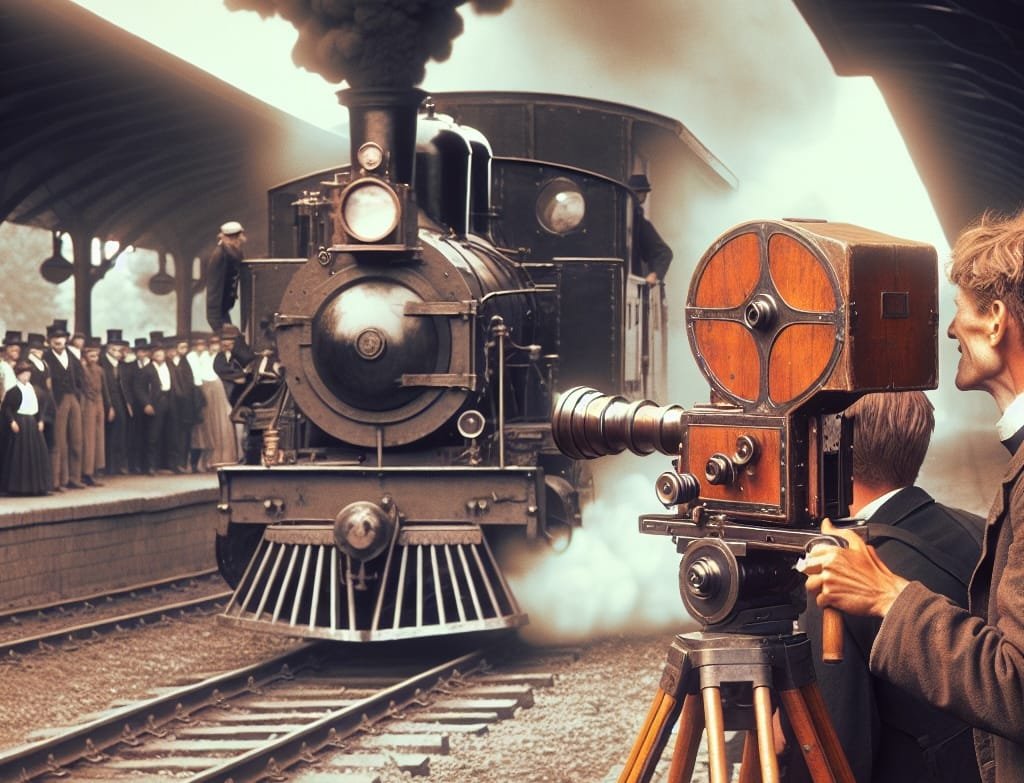
Traditional filmmaking often requires expensive equipment, large production teams, and significant time. AI changes this by automating many creative and technical tasks. With the right workflow, a single creator can produce high-quality short films, advertisements, documentaries, or social media content that would once have required an entire production crew.
Plan Your Story Before You Begin
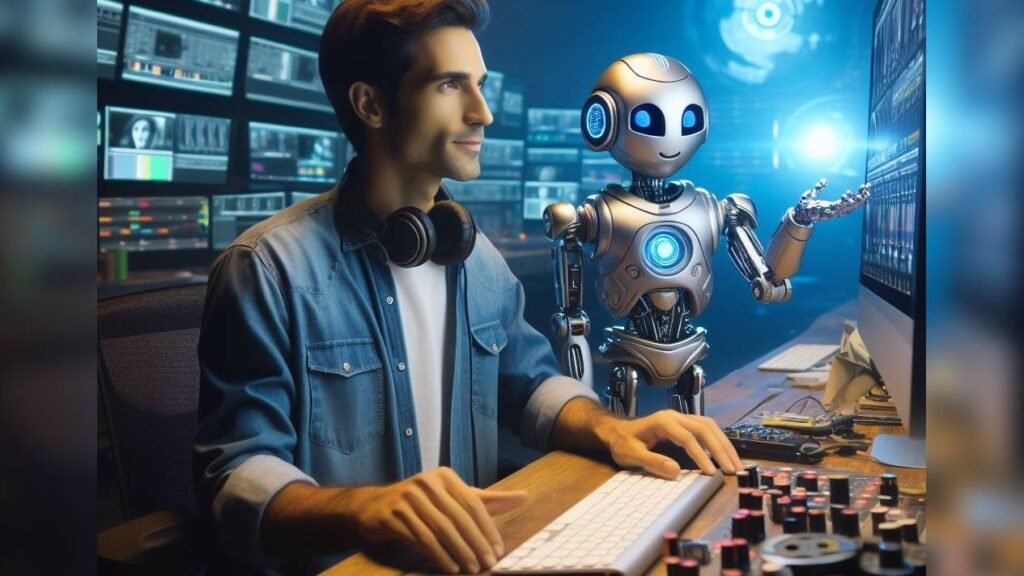
Every great film starts with a compelling story. Before opening any AI tool, define your film’s genre, target audience, and emotional message. Create a simple outline that includes the beginning, conflict, climax, and ending. A clear structure helps AI generate more consistent and engaging results.
Write an Effective AI Script
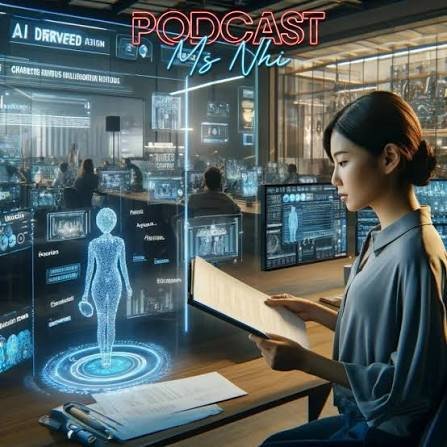
Use AI writing tools to develop dialogue, scene descriptions, and narration. Be as specific as possible in your prompts by describing characters, locations, emotions, and camera angles. The more detailed your instructions, the better the AI can understand your creative vision.
Design Characters and Visual Style
Consistency is one of the most important aspects of AI filmmaking. Create detailed descriptions for your main characters, including their appearance, clothing, age, facial features, and personality. Decide on a visual style, such as cinematic realism, anime, cyberpunk, fantasy, or vintage, and use that style consistently throughout every scene.
Generate Cinematic Video Scenes
Once your script is complete, convert each scene into AI-generated video clips. Focus on camera movement, lighting, composition, facial expressions, and environmental details. Breaking your film into smaller scenes allows for greater control over quality and storytelling.
Add Voiceovers and Background Music
Professional audio dramatically improves the viewing experience. Use AI voice generation to create natural narration or character dialogue, then add background music that matches the mood of each scene. Balance sound effects, music, and voices to create an immersive cinematic atmosphere.
Edit and Assemble Your Film
Combine all generated clips using video editing software. Trim unnecessary footage, add smooth transitions, colour grading, subtitles, and visual effects where needed. Ensure each scene flows naturally into the next while maintaining a consistent pace.
Review and Improve
Watch your film several times before publishing. Look for inconsistencies in characters, lighting, timing, or dialogue. Small adjustments can significantly improve the final result and create a more polished viewing experience.
Publish and Share Your AI Film
Export your project in high resolution and optimise it for your chosen platform, whether YouTube, Instagram, TikTok, or your own website. Create an engaging title, thumbnail, and description to maximise reach and attract viewers interested in AI-generated filmmaking.
Final Thoughts
AI has made filmmaking more accessible than ever before, empowering creators to bring ambitious ideas to life without the traditional costs and complexities of production. While AI handles many technical tasks, your creativity, storytelling, and attention to detail remain the key ingredients that make a film memorable. By combining strong ideas with the right AI tools and a structured workflow, anyone can create visually impressive films that captivate audiences and showcase the future of digital storytelling.